

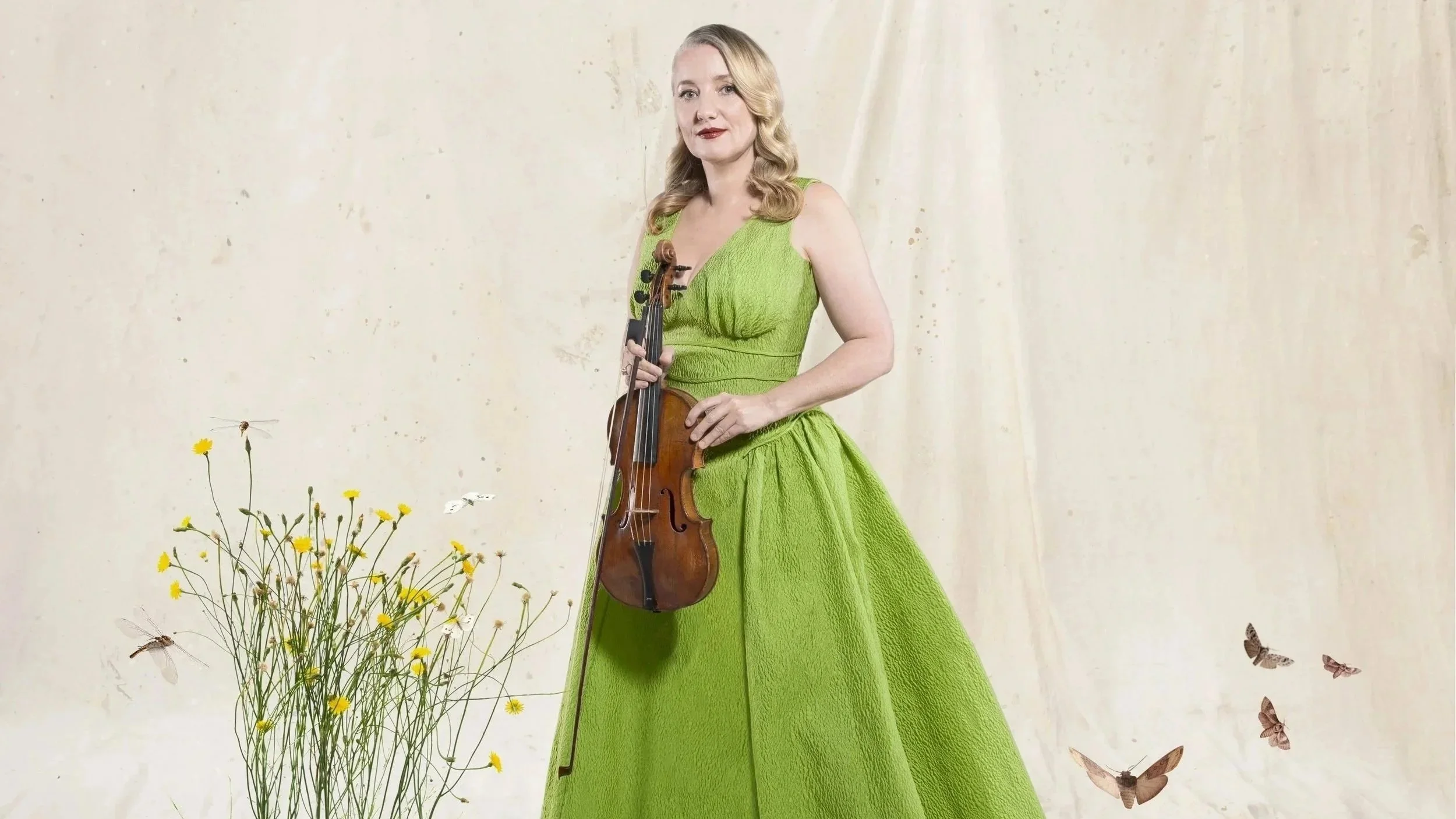
The Scott Sisters: Pioneers of Science and Art
ARTISTS
Creative director
Skye McIntosh – Artistic Director of the Australian Haydn Ensemble
Script and direction
Rachel McDonald
Cultural consultant
Aaliyah-Jade Bradbury
Animations
Studio Gilay
Animation directors
Melissa Azizi and Christopher Tan
Costumes
Skye McIntosh
Ali Dibley
Lighting Designer & Production Manager
Roderick van Gelder
Assistant Stage Manager
Niloofar Veiszadeh
Musicians
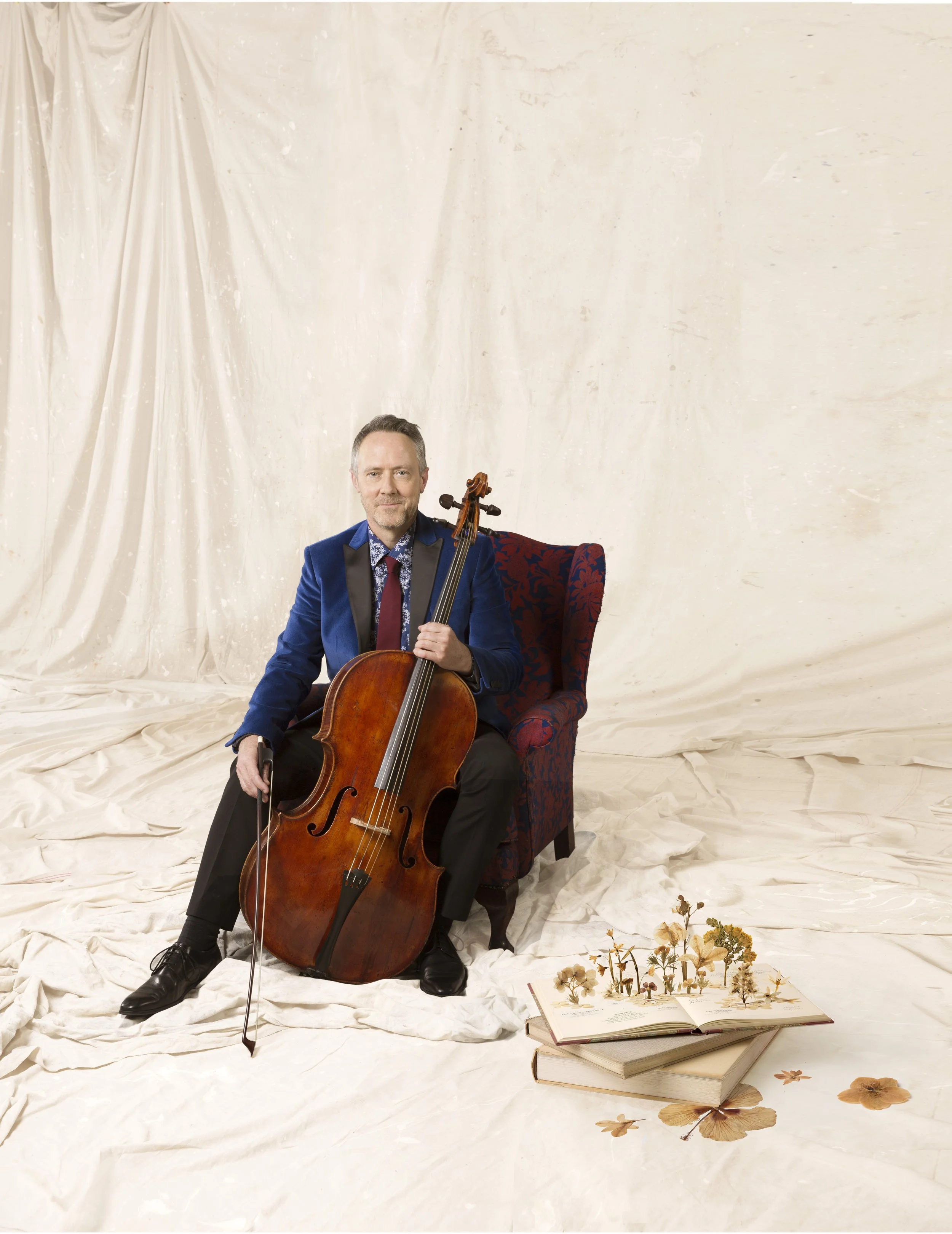
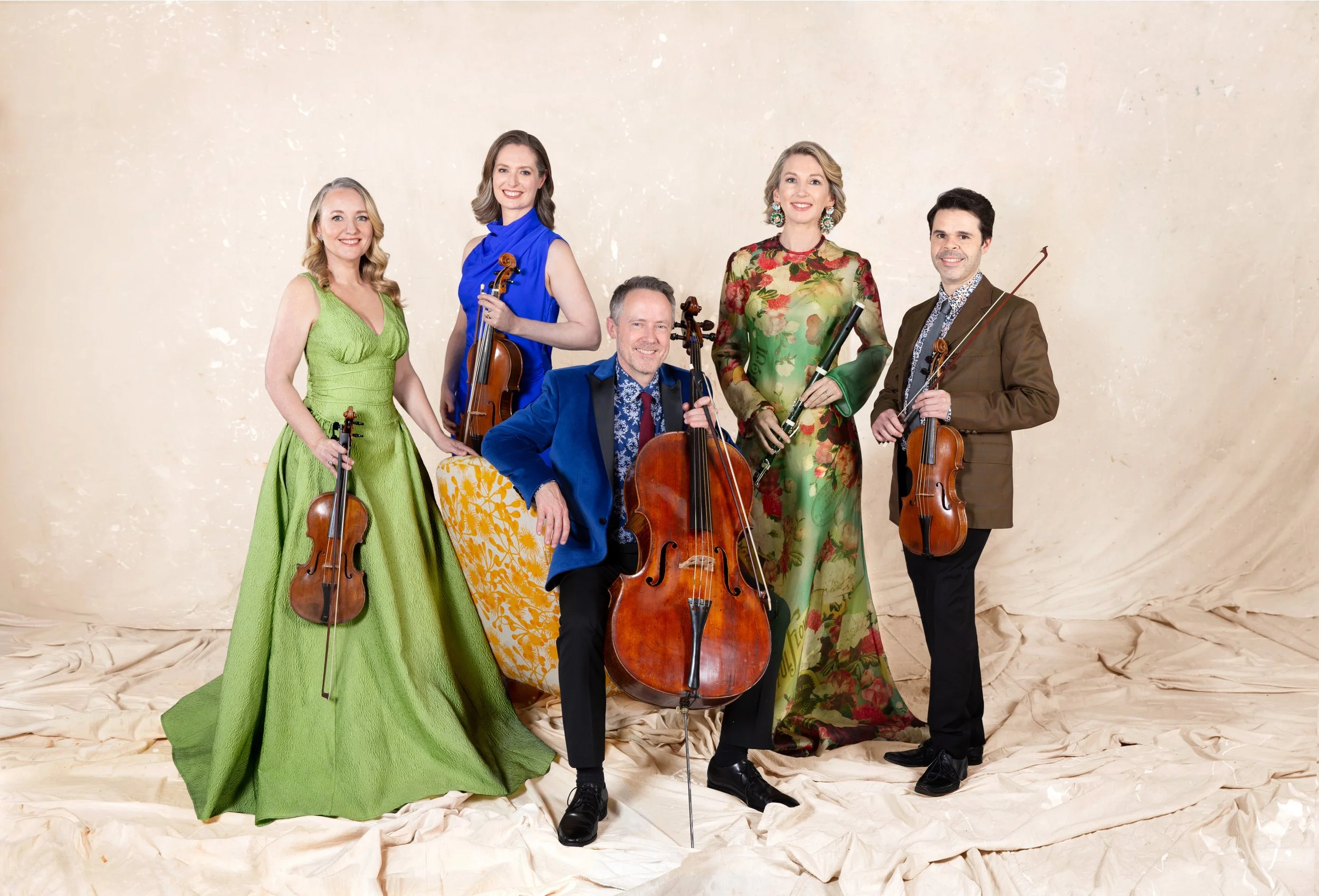
Australian Haydn Ensemble – String quartet
Cast
Tierney Clark
Madeline Flood
Ren Watson
Najwa Adams
MUSIC
Selected Extracts from Beethoven String Quartet Op.132
Elena Katz-Chernin Butterflying for string quartet
MARAIS Les voix humaines for cello
Tullia Cairns Ripples and Reflections for string quartet
ABOUT THIS EVENT
The Scott Sisters: Pioneers of Science and Art
Friday 25 September - Sunday 27 September
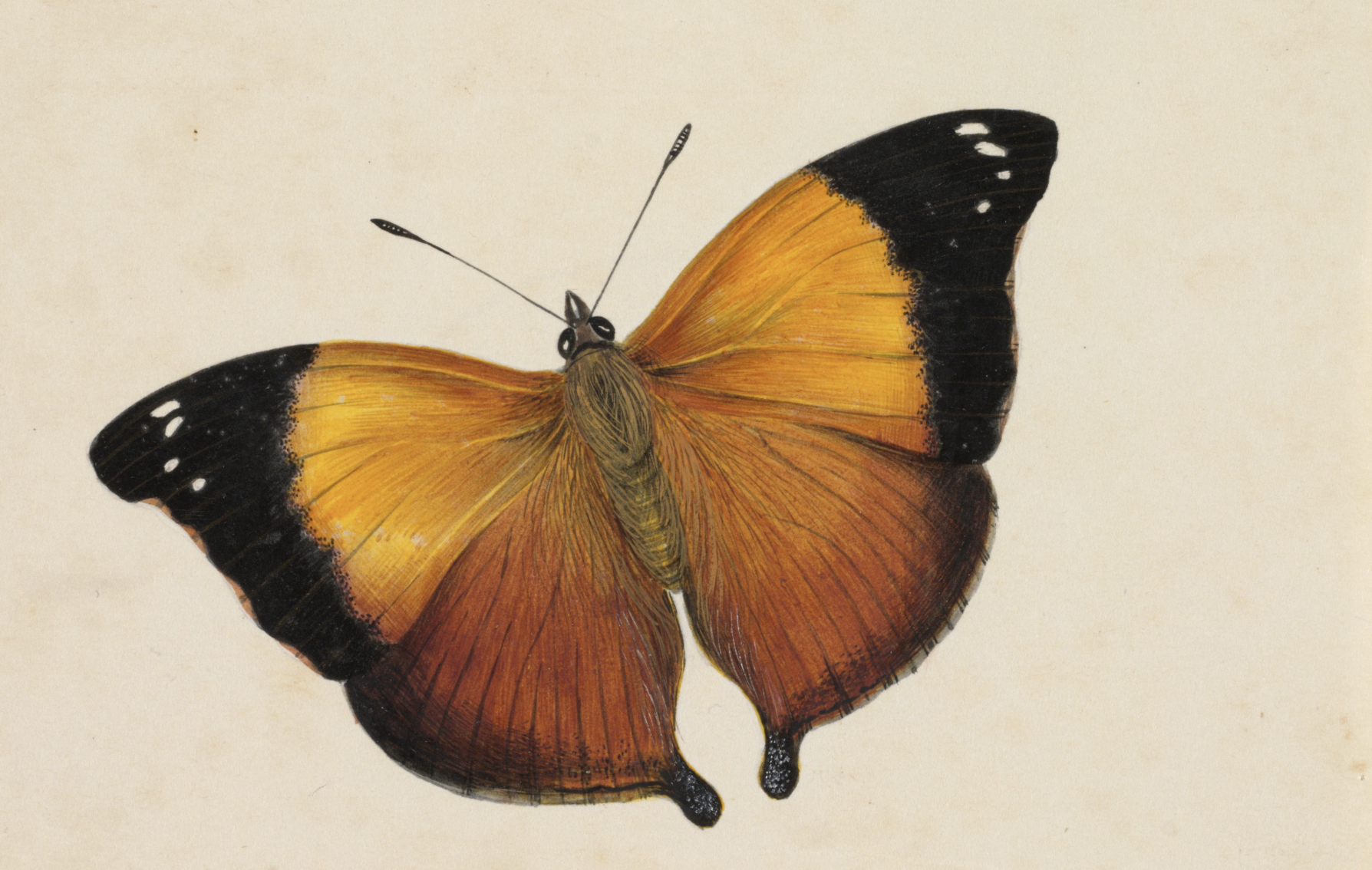
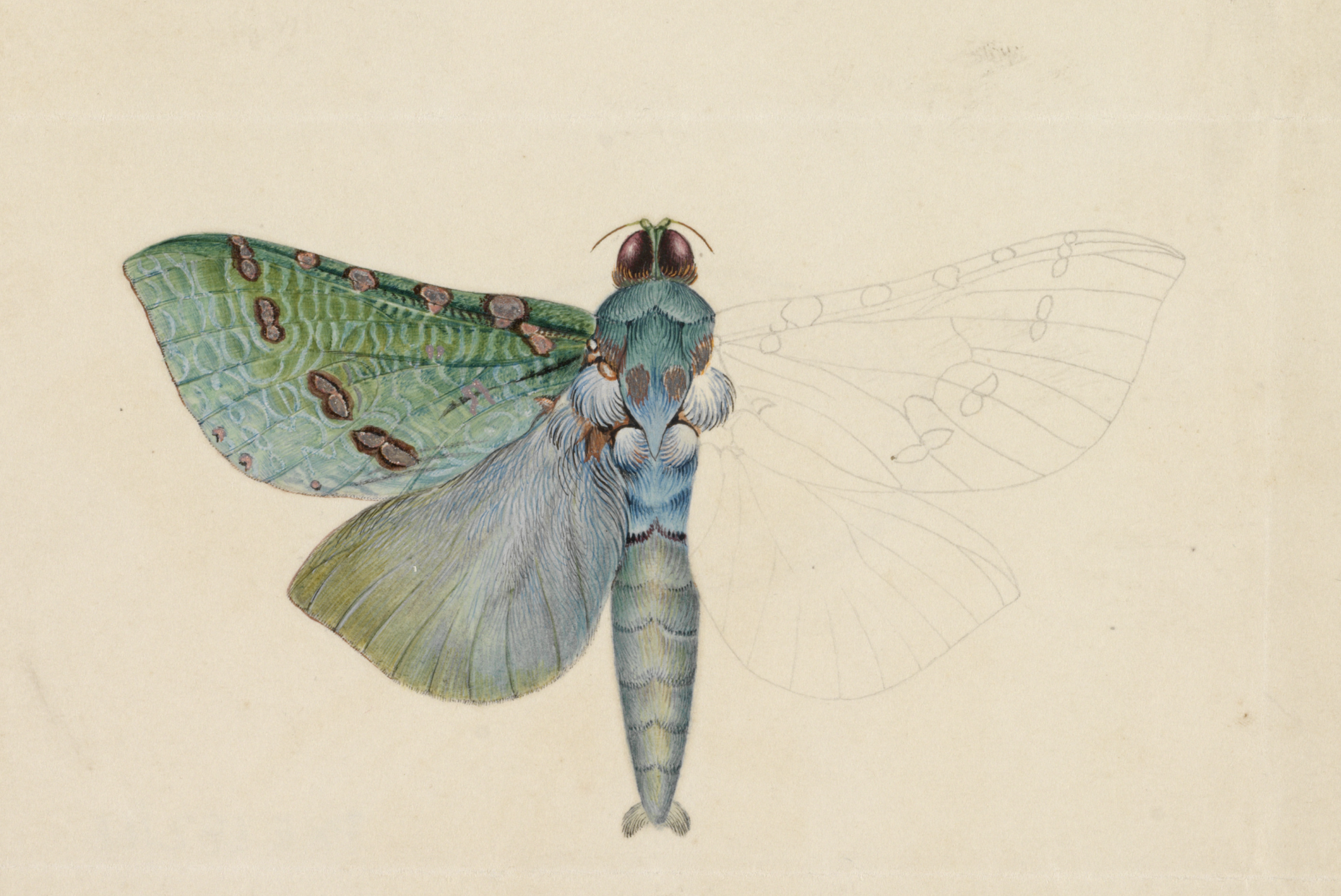
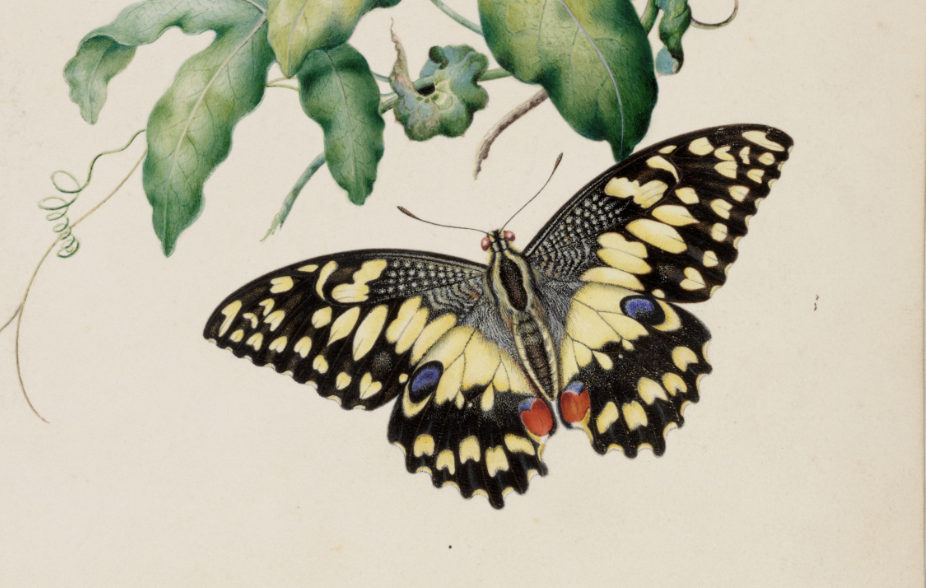
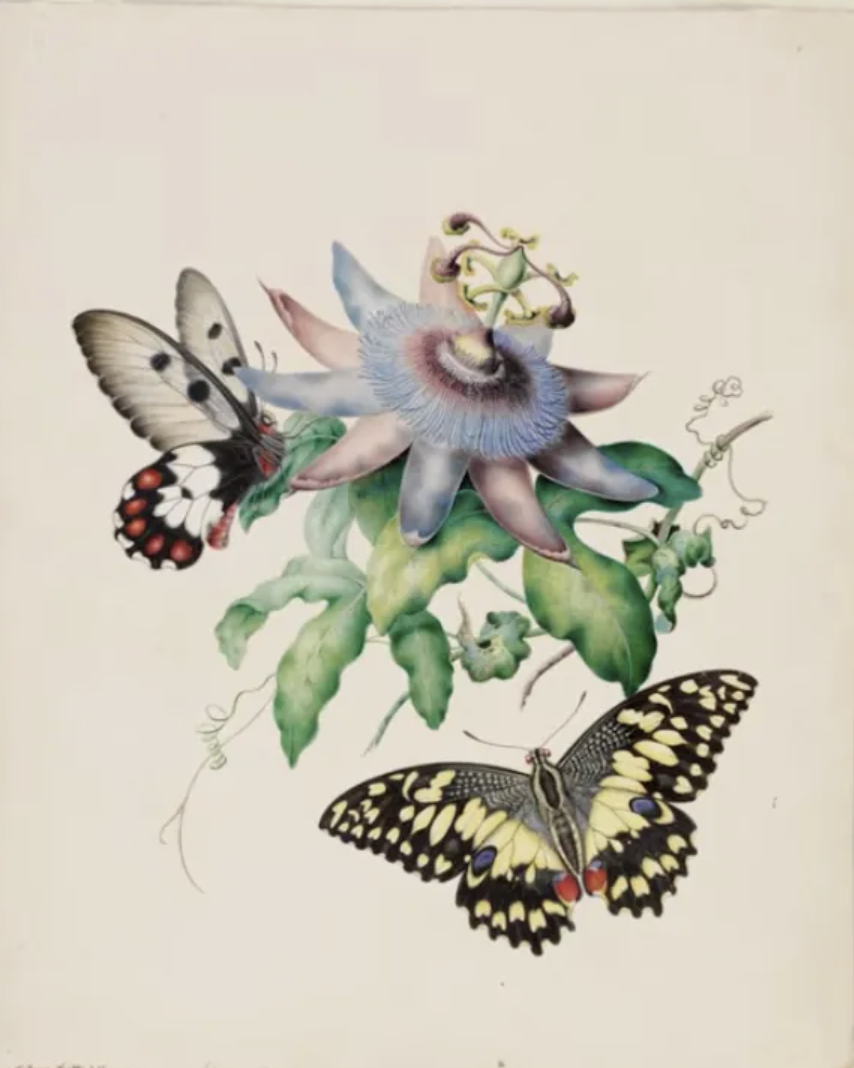
Conceived and created by Skye McIntosh (Artistic Director of the Australian Haydn Ensemble), this immersive new multimedia work is inspired by the lives of 19th-century illustrators and naturalists Harriet and Helena Scott and their acclaimed ‘Butterfly Book’, Australian Lepidoptera and their Transformations. Drawing directly from the Library’s collection, it blends exquisite animations, theatrical performance and live classical music performed on period instruments.
Following the tale of an extraordinary family whose legacy helped shape Australia's scientific, artistic and cultural history — and inspired by original artworks, letters, books, manuscripts and family papers — the production travels across close to a century. From Regency England and the bushlands of Ash Island to the creation of the Mitchell Library itself, The Scott Sisters explores the enduring connections between science and story, art and nature and the many ways of observing, understanding and preserving knowledge across generations.
Performed by the Australian Haydn Ensemble, with an exceptional cast directed by Rachel McDonald, stunning animations by Studio Gilay, and music by Ludwig van Beethoven, Marin Marais, Elena Kats-Chernin and Tullia Cairns, this evocative new work reimagines the Library's collection into a multi-layered live experience, celebrating curiosity, transformation and the enduring power of stories to connect us all.
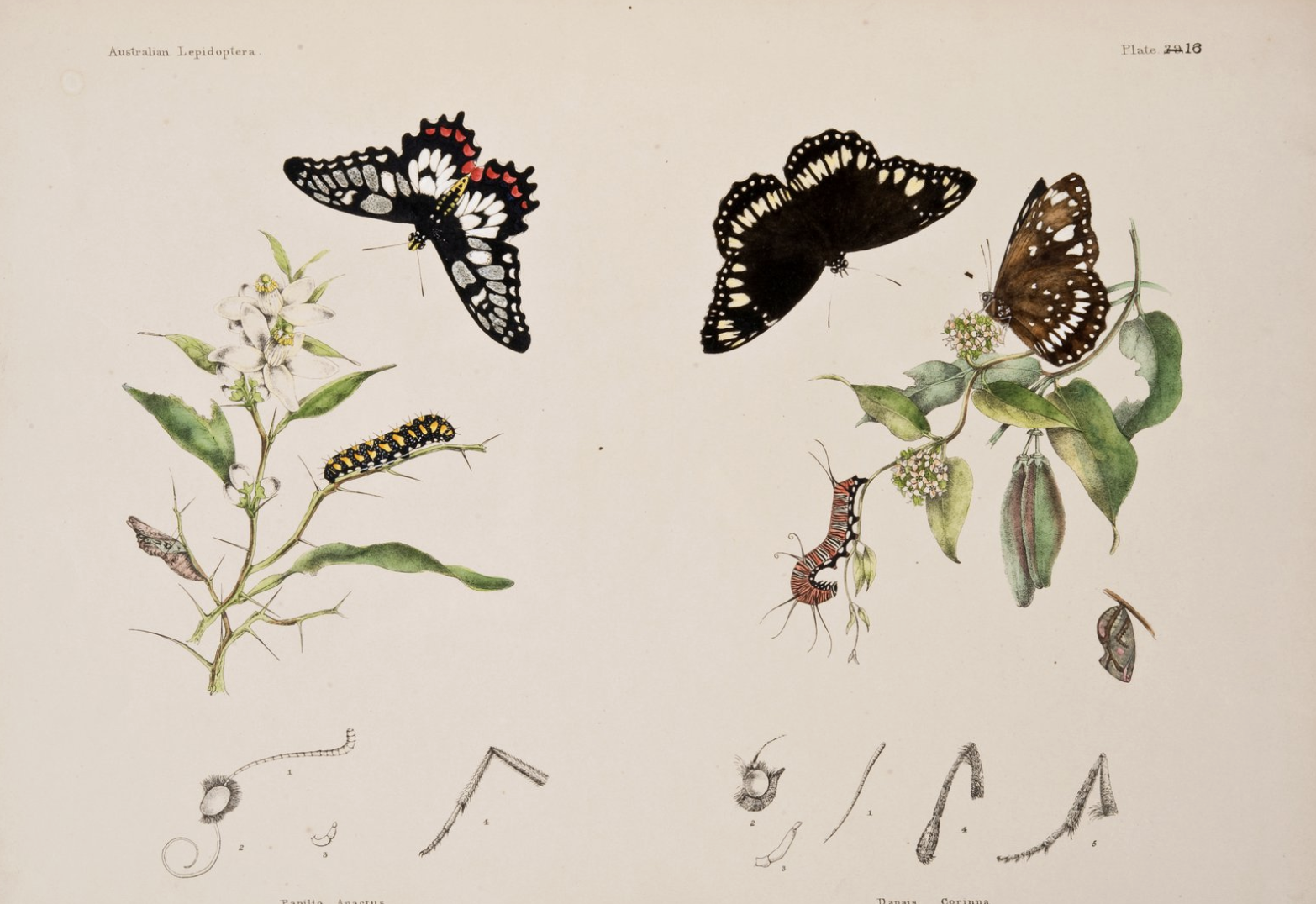
“The exquisite illustrations of the 19th-century naturalist-artists Harriet and Helena Scott have fascinated me for years. This new work brings them to life through beautiful animations, a newly commissioned theatrical script accompanied by performances of Beethoven, Marais and others by the Australian Haydn Ensemble. It is my hope that through this work audiences will experience their extraordinary artworks in a new way while discovering the wider history preserved within the Library’s collection. Bringing these works to light in this way has been an incredible privilege.
”

PERFORMANCES & TICKETS
Friday 25 September 7pm
Sydney
State Library of NSWl,
Library Auditorium
Get single tickets
Saturday 26 September 2pm
Sydney
State Library of NSW,
Library Auditorium
Get single tickets
Sunday 27 September 2pm
Sydney
State Library of NSW,
Library Auditorium
Get single tickets
Saturday 26 September 6pm
Sydney
State Library of NSW,
Library Auditorium
Get single tickets


More About the Work
The Scott Sisters is a story about transformation—not only in nature, but in the ways knowledge is observed, recorded, preserved and passed from one generation to the next.
Drawing on archival materials held in the collections of the State Library of New South Wales, the work traces a remarkable chain of curiosity, creativity and collecting that spans more than two centuries. Through theatre, animation and music, it brings to life the people, places and ideas behind one of Australia's most significant scientific and artistic achievements: Australian Lepidoptera and Their Transformations.
At the centre of the story are Harriet and Helena Scott, two pioneering natural history artists whose extraordinary observations of Australian butterflies and moths remain among the finest scientific illustrations produced in nineteenth-century Australia. Working alongside their father, the naturalist Alexander Walker Scott, the sisters devoted decades to documenting every stage of insect metamorphosis with scientific precision and artistic beauty. What began as a family passion evolved into an ambitious fifty-year project that would become one of colonial Australia's most important natural history publications.
Yet the story is about more than moths and butterflies.
Interwoven throughout the performance are selected extracts from Beethoven's String Quartet in A minor, Op.132. Composed in 1825 following a period of serious illness, the work stands as one of the composer's most personal and profound creations. At its centre lies the celebrated Heiliger Dankgesang ("Holy Song of Thanksgiving"), written as Beethoven emerged from sickness into recovery. The music moves between fragility and strength, suffering and renewal, tracing a journey that mirrors the transformations observed by the Scott sisters in the natural world. Like the butterfly emerging from its chrysalis, Beethoven's quartet becomes an expression of resilience, regeneration and reawakening.
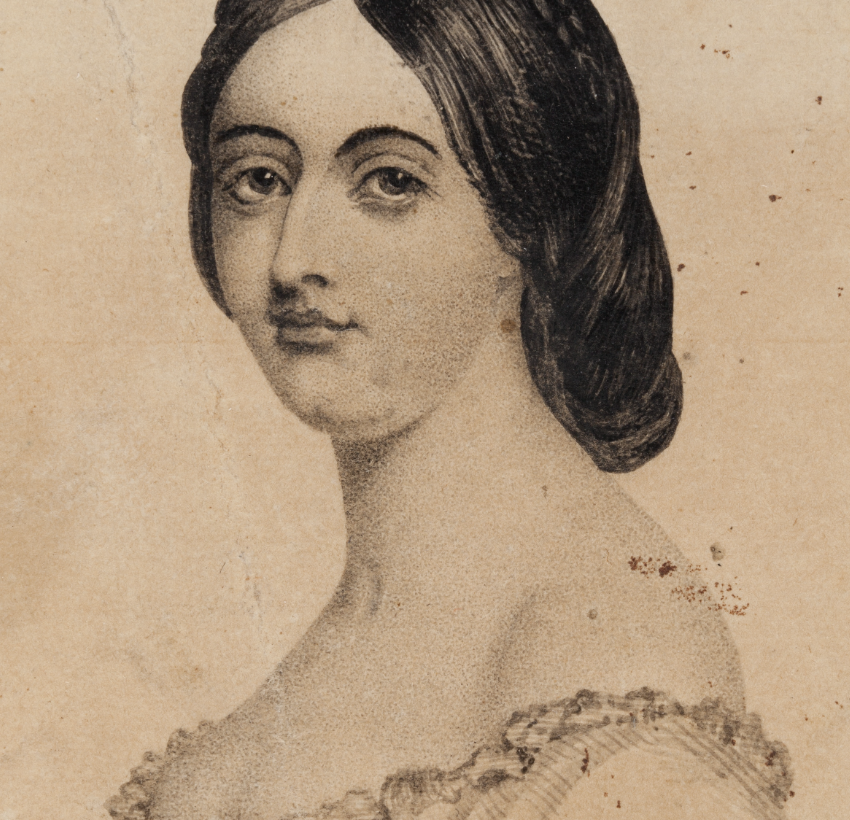
The story begins with Augusta Scott (née Frederick), born in 1775, the matriarch of a remarkable family whose descendants would leave an enduring mark on Australia's scientific, artistic, social and cultural life. Her son Alexander became a leading naturalist; her granddaughters Harriet and Helena transformed observation into art and science; her granddaughter Rose Scott became one of Australia's foremost advocates for women's rights and social reform; and her grandson David Scott Mitchell assembled the collection that would become the foundation of the Mitchell Library.
The performance explores the connections between these lives and the ways knowledge survives across generations. Harriet and Helena's illustrations, letters and observations became books. Those books became part of David Scott Mitchell's collection. That collection became part of the State Library. Today, those same objects inspire new artistic responses and new audiences.
There are other ways of recording, preserving and transmitting knowledge that this story also seeks to honour. Long before European naturalists began documenting Australia's insects, First Nations peoples understood transformation as a fundamental principle of life, embedded in stories, Country and the interconnected relationships between all living things. Through generations, knowledge was shared, renewed and carried forward through oral traditions, cultural practice and careful observation of the natural world.
The story places the Scott family story within this broader landscape of observation, memory and renewal. Guided by the perspective of an Awabakal mother living on Country during the nineteenth century, the work acknowledges the many ways knowledge is created, preserved and passed from one generation to the next.
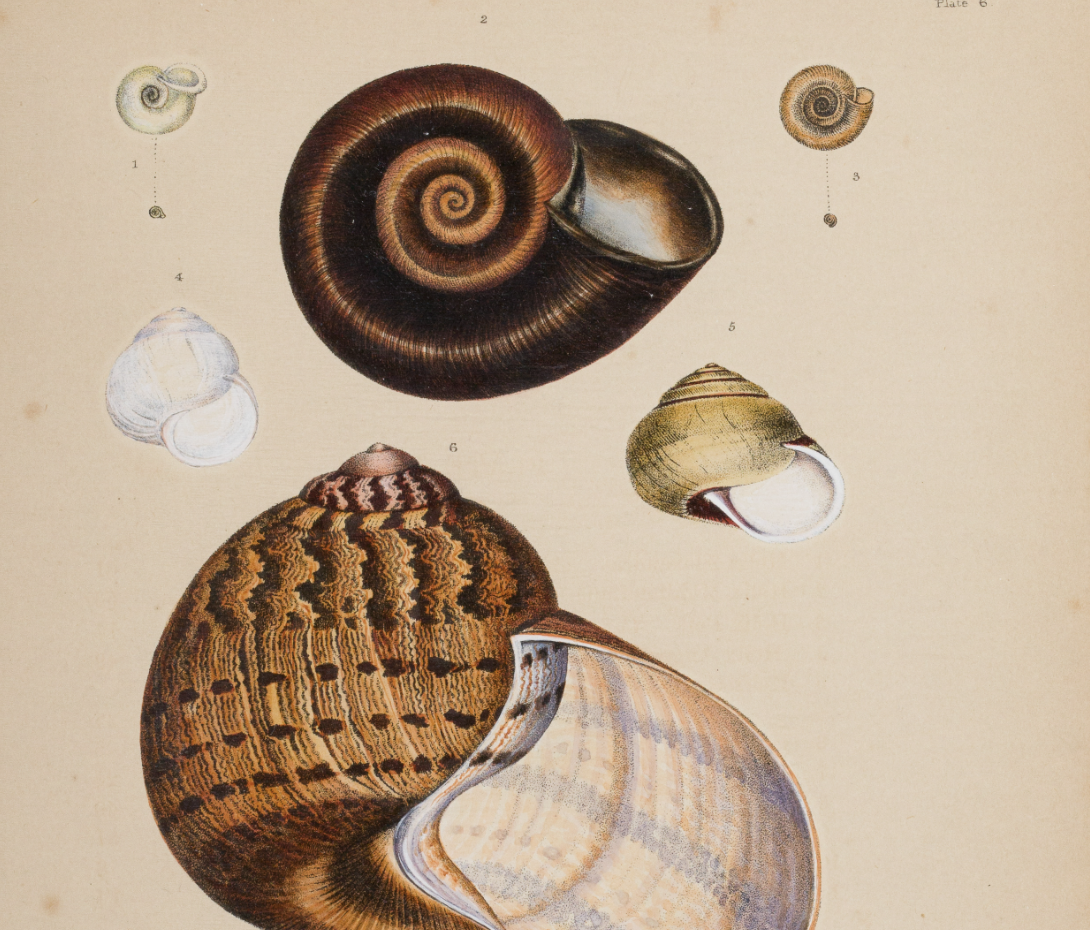
The animated imagery featured throughout the performance is drawn directly from objects held in the State Library's collections, including the extraordinary illustrations created by Harriet and Helena Scott. Some copies of Australian Lepidoptera and Their Transformations preserved within the Library still bear the name of David Scott Mitchell inside the cover—a tangible reminder of the family's connection to the collections that preserve their legacy.
Ultimately, it’is a story about passion and preservation.
Harriet and Helena Scott preserved fleeting moments of transformation in nature. Rose Scott sought to transform society. David Scott Mitchell preserved the documentary record of a nation. The State Library continues that work today, caring for collections so that future generations may discover them anew.
The journey of these drawings—from observation in the Australian landscape, to publication in a landmark scientific works, to the shelves of David Scott Mitchell's library, to the collections of the State Library, and now to the stage—forms a story of transformation every bit as remarkable as the metamorphoses they depict.
DEEP DIVE
Learn more about the Composers and Music in this performance from the following links:
-
![]()
18TH CENTURY UNPACKED
Haydn’s London Connection
29 October 2026
Special Guest Presenter Genevieve Lang
A relaxed and informative event in the Friends Room in the State Library of New South Wales. -
![]()
HAYDN'S OXFORD
October/ November 2026
The London Symphonies Part One
Berry | Southern Highlands
Sydney | Primrose Potter Salon, Melbourne Recital Centre | Canberra | Lake Macquarie -
![]()
HAYDN'S LONDON in Broken Hill
Works for String Quartet & Flute by Haydn & Beethoven
6 September 2026, 7pm
Broken Hill City Art Gallery
404 – 408 Argent Street, Broken Hill -
![]()
The Scott Sisters
September 25-27
State Library of NSW
Exciting new multimedia performance work featuring music, theatre and animations inspired by the lives and work of the Scott sisters, Australia’s first naturalist artists.

CONCERTS 101: WHAT TO EXPECT
First time attending a concert and not sure what to expect? Don’t worry! Scroll down to find out about attending an AHE concert. If you have questions that you don’t see the answer to here, send us an email and we’d be happy to help. Contact one of our friendly team at: info@australianhaydn.com.au
-
Firstly, you should know there are no rules. Going to a concert can be a great time to glam it up. If that feels right, then go ahead – there’ll almost certainly be plenty of others dressing up.
It’s also totally fine to come in jeans – and plenty of people do. The only real “rule” is to wear something that’s comfortable.
-
Don’t worry – nobody is going to get into trouble for clapping in the “wrong” place. The only real rule is not to clap while the musicians are actually playing (as other people can’t hear them).
The thing to know is that applause conventions have changed over time. People used to talk all the way through the opera in the 1700s, and we don’t tend to do that now!
At AHE, the music we play will often come to the end of a section (known as a movement) with what feels like a ‘big finish’. It’s like the composer is begging you to respond. And in days of old, they may well have shouted or clapped or cheered at that point!
When that happens, and you “accidentally” clap and not many others do, you have done nothing wrong! Just sit back and let it all sink in. You may still feel the vibration of the music in the air, and it can be quite a magical moment.
The performers will be getting ready for the next movement, which may have a very different feel to it. That’s all part of the journey of the piece as a whole.
Think of it like a book, with each movement like a chapter. You save your Goodreads five-star review for the end – and that has now become the convention for clapping at concerts.
At the end of the work, there will once again be a lovely pause while the final notes die away.
Watch for the body language of the players and let that be your guide. The majority of people around you may also start clapping too – so that’s always a good sign to let go and express yourself.
You don’t have to hold back at all now! Feel free to clap as loud and long as you like, cheer or you can even stamp your feet on the floor while you are still seated if you really loved it!
Sometimes you’ll see people standing up and clapping too (called a standing ovation). You don’t have to do this, but when and if you do, just know that it’s the highest honour an audience can give the musicians and a sign of maximum appreciation.
Most of all – listen and enjoy!
-
Each performance has a detailed concert program that explains the history of the composers, the music and provides information about the musicians.
You can pick up a concert program at the performance or read it online a few weeks before the concert. Once, available, we upload it to our Concert Programs page and include it on the event page (above)
We also try to provide information about the music in the lead up to a concert on our website, social channels and via emails.
In our ‘Deep Dive’ section (also on this page for each concert), you will find links to various background information pages that will help to give you more insight into the works and composers on the program.
Be sure you have opted in to receive emails so that you get all the info.
-
Yes, depending on the venue. The availability of refreshments varies from venue to venue and changes from time to time.
Below is information about what is currently available at our own venues.
BERRY: In Berry, we have community-led catering which usually includes tea and coffee, wine, cakes and snacks served by our wonderful local supporters.
BOWRAL MEMORIAL HALL: Delicious pre-concert and interval homemade treats are provided by the CWA. Alcohol is not currently available. There are gluten-free options and you can pay by cash or card.
BURRAWANG, SCHOOL OF ARTS: In Burrawang, we have gorgeous community-led catering which usually includes tea and coffee, wine and snacks served by the wonderful hall committee.
CANBERRA: Wesley Music Centre. Interval tea and coffee is on the cards for this venue in the future!
CITY RECITAL HALL: In Sydney, the City Recital Hall operates a full service bar before the concert and at interval. You can even take your drink inside the concert! Note that the City Recital Hall is a cashless bar. More information on all the dining options and bars is available here.
LAKE MACQUARIE: Tea and coffee, wine and snacks available.
PORT MACQUARE: Tea, coffee and wine available.
-
Between pieces definitely. Our instruments aren’t amplified so we ask you to respect everyone’s experience and that you don’t talk whilst the musicians are playing.
-
Photos are fine between pieces and when the musicians are bowing at the end of pieces, provided the flash is off.
Our musicians are concentrating hard whilst they are performing though, so we ask that your phone is off and away during the performance itself.